Understanding the psychology behind sales and persuasion can significantly enhance your ability to influence consumers, investors, and colleagues. Whether you're making a business pitch, negotiating a deal, or using psychological principles to attract customers, mastering these skills can set you apart in the competitive business landscape. This pillar page explores various sales strategies through consumer psychology, offering actionable insights backed by research and experience.
Understanding the psychology behind sales and persuasion can significantly enhance your ability to influence consumers, investors, and colleagues. Whether you're making a business pitch, negotiating a deal, or using psychological principles to attract customers, mastering these skills can set you apart in the competitive business landscape. This pillar page explores various sales strategies through consumer psychology, offering actionable insights backed by research and experience.
1) 6 Powerful Ways to Make a Successful Business Pitch to Startup Investors
Initiating a business pitch can be nerve-wracking, especially when investors are skeptical about your ideas. Many entrepreneurs struggle with making their presentations compelling and persuasive, leading to lost opportunities. However, psychological techniques can improve your pitch effectiveness. Psychologists Chip and Dan Heath highlight essential elements for a successful business pitch, such as storytelling, credibility, and emotional appeal. This article delves into these critical psychological strategies to help you deliver persuasive pitches that capture investor interest and secure funding.
2) 3 Negotiation Skills I Wish I Had Before Launching My Startup
Negotiation is a fundamental skill in any professional setting, from pitching to investors to persuading your team members. Many people, including startup founders and corporate leaders, find negotiation challenging because they lack structured techniques. This article outlines three key negotiation skills that enhance your ability to persuade others. Drawing from personal experience and behavioral insights, it provides actionable tips to avoid common negotiation pitfalls and improve your chances of achieving favorable outcomes.
3) How to be Influential: Persuade Others Like a Pro
Influence is a powerful tool in sales and leadership. While persuading others is crucial, self-influence—the ability to motivate yourself toward growth—is equally important. This article discusses psychological principles that make individuals more persuasive, including consistency, reciprocity, and authority. By mastering these techniques, you can enhance your leadership presence, inspire action, and achieve both personal and professional goals.
4) How You Can Use Consumer Psychology to Attract Consumers: 3 Psychological Effects that Make Coupons and Discounts Irresistible
Consumer psychology plays a significant role in purchasing decisions. Many brands leverage psychological effects such as FOMO (Fear of Missing Out) and the decoy effect to make discounts and coupons more enticing. This article explores how businesses can apply these principles to boost sales and customer engagement. Whether you are a business owner or a marketing professional, understanding these psychological triggers will help you craft irresistible offers that drive conversions.
5) The Power of Empathy and Active Listening: 3 Key Aspects in Sales and Business Persuasion
Many assume that successful salespeople are just charismatic and talkative, but the true key to persuasion lies in empathy and active listening. This article explains why understanding your audience’s needs and concerns is critical in sales and business interactions. By leveraging empathy and active listening, you can build trust, improve relationships, and make your message more compelling.
Unlock Your Full Potential in Sales with MindForest
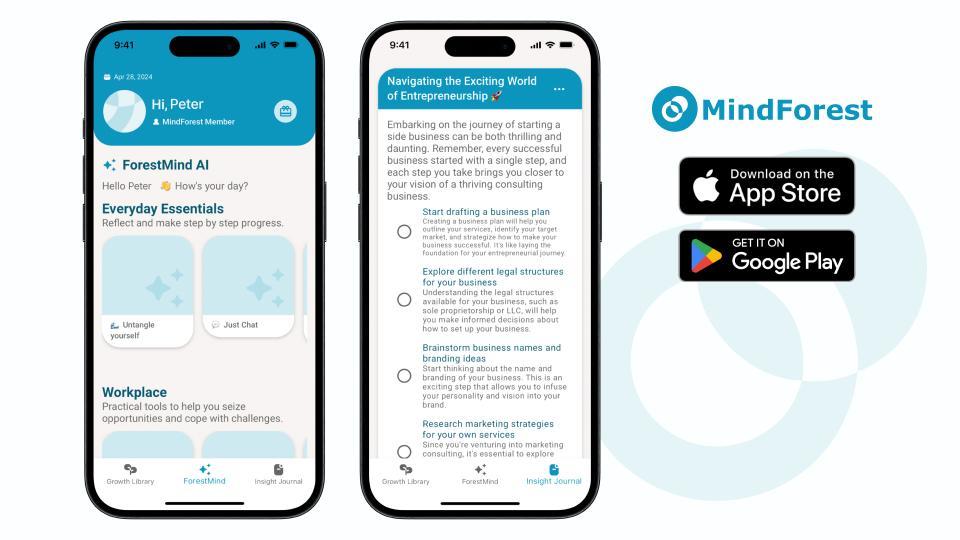
Sales success isn’t just about mastering techniques—it’s about continuous self-growth and psychological resilience. With MindForest, you can refine your sales strategies while enhancing your personal development.
Get personalized guidance from an AI coach that understands your challenges. Whether you’re refining your negotiation skills, overcoming self-doubt, or improving persuasion techniques, ForestMind offers insights rooted in consumer psychology to help you succeed.
💪 Insight Journal
Track your progress with the Insight Journal, which helps you reflect on your sales interactions and refine your strategies. By analyzing past experiences, you can uncover patterns and make informed improvements.
🔗 Psychometrics
Gain deeper self-awareness with personality assessments tailored to your sales approach. Understanding your strengths and areas for improvement allows you to adapt your persuasion style for maximum impact.
Download MindForest today and start your journey toward mastering sales psychology, enhancing your influence, and achieving success in business and beyond!
Discover practical psychology tips you can apply to your everyday life. From building resilience to improving relationships and finding work-life balance, our blog brings expert-backed insights that help you grow.
Early Dating Red Flags: 5 Warning Signs to Spot Before It Gets Serious
Dating can be exciting, but the early stages also reveal subtle warning signs that hint at future problems. Recognising these red flags can save emotional energy and help you make smarter decisions about who to invest in. In this article, we explore five key patterns that often emerge in early dating: ghosting and avoidant behaviour, nonchalant attitudes, commitment issues, performative male behaviour, and the “pick me girl” phenomenon. Each section breaks down the psychology behind these behaviours, explains why they happen, and offers insights to navigate modern dating more consciously and safely.
5 Reasons Causing Commitment Issue in Dating: What It Is, Why It’s So Common, and How to Navigate It
In modern dating, many people find themselves asking the same frustrating question: “Why does everything feel close, intense, and promising—until commitment comes up?” If you’ve ever dated someone who enjoys intimacy but avoids labels, long-term planning, or emotional responsibility, you may have encountered a commitment issue in dating. This phenomenon has become increasingly common, particularly in a culture shaped by dating apps, individualism, and emotional burnout.
This article explores what commitment issues in dating really mean, why they’re becoming more widespread, how to cope if you experience them yourself, and what to consider when dating someone who struggles with commitment.
Ghosting and Avoidant Behaviour: Why We Pull Away and 3 Ways to Heal from It
Have you ever experienced ghosting? The two of you were chatting happily the night before, and the next day the person suddenly disappears, never replying again?
Ready to Apply Psychology to Your Life?
Download MindForest and turn these insights into action. Get personalized support from ForestMind AI Coach, track your progress, and unlock your full potential.