Life is a series of decisions, both big and small, shaping who we are and where we go. But how can we make better decisions when faced with complex challenges? This page is your go-to guide for mastering the art of decision-making. You’ll learn practical strategies to enhance critical thinking, overcome cognitive biases, and balance wisdom with intelligence.
Life is a series of decisions, both big and small, shaping who we are and where we go. But how can we make better decisions when faced with complex challenges? This page is your go-to guide for mastering the art of decision-making. You’ll learn practical strategies to enhance critical thinking, overcome cognitive biases, and balance wisdom with intelligence. Whether you’re navigating personal growth or professional challenges, these insights will empower you to think clearly, act decisively, and create meaningful outcomes.
1) Work Smart: How to Improve Critical Thinking and Decision-Making
Critical thinking is the cornerstone of effective decision-making. This article explores how to hone these skills using straightforward psychological strategies. Learn to analyse situations, predict outcomes, and make decisions that align with your goals. Perfect for professionals, it provides practical applications to tackle challenges with clarity and confidence.
2) Investment Tips from Psychology: 3 Cognitive Biases to Avoid
Cognitive biases can derail sensible investment decisions. This article identifies three common biases and explains how to avoid them. By applying psychological insights, you’ll develop healthier investment habits and take control of your financial future. Whether you’re new to investing or experienced, these tips are vital for smarter decision-making.
3) What is Sunk Cost Fallacy? Knowing When to Give Up
The sunk cost fallacy often traps us into continuing failing pursuits simply because we’ve already invested in them. This article explains how to recognise and avoid this common pitfall during decision-making. Learn when to cut your losses and move forward, saving valuable time, energy, and resources.
4) Wisdom vs Intelligence: Life Lessons for Your 30s
Your 30s are a time for growth, when wisdom often becomes more valuable than intelligence. This article explores how life experiences can deepen your perspective, helping you balance logic with intuition in decision-making. Embrace wisdom to navigate challenges with grace and unlock personal fulfilment.
5) Are You Gifted or Highly Intelligent? 4 Pieces of Advice from Psychology
Gifted individuals often face unique challenges, from social disconnection to emotional struggles. This article offers four actionable tips for thriving both personally and professionally in decision-making. With insights tailored to highly intelligent people, discover how to build deeper connections and find balance beyond intellectual pursuits.
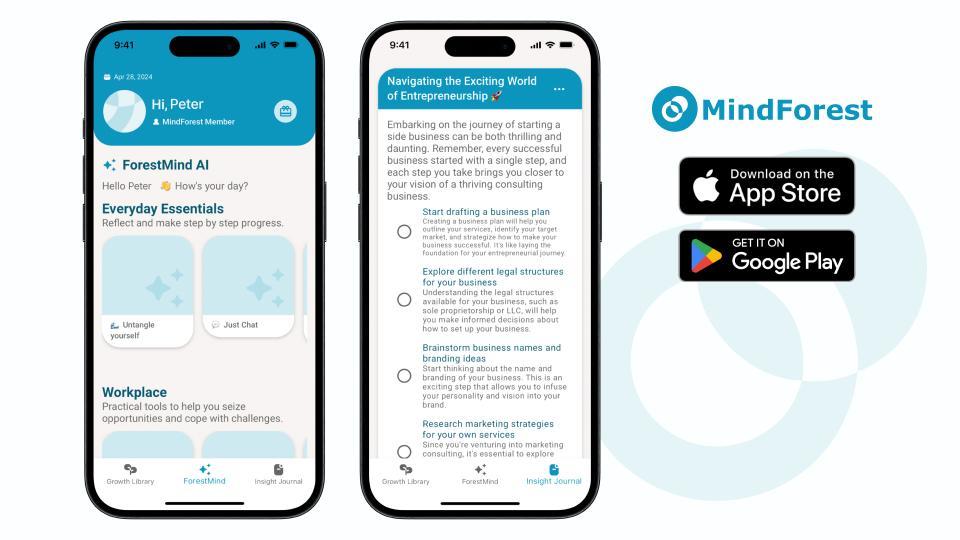
Explore the MindForest App: Smarter Decisions, Better Living
Unlock your decision-making potential with MindForest, the ultimate tool for personal growth and cognitive clarity.
Your personalised guide to better choices! ForestMind provides actionable advice grounded in psychological principles, helping you navigate tough decisions with confidence.
💪 Insight Journal
Turn every experience into a lesson. MindForest captures your thoughts and decisions, offering valuable insights to refine your judgement and critical thinking skills.
🔗 Psychometrics
Understand your decision-making style with interactive assessments. Gain self-awareness, track progress, and learn how to optimise your choices for personal and professional growth.
Start making smarter decisions today! Download MindForest and embark on a transformative journey towards clarity, confidence, and success in every aspect of your life.
Discover practical psychology tips you can apply to your everyday life. From building resilience to improving relationships and finding work-life balance, our blog brings expert-backed insights that help you grow.
Early Dating Red Flags: 5 Warning Signs to Spot Before It Gets Serious
Dating can be exciting, but the early stages also reveal subtle warning signs that hint at future problems. Recognising these red flags can save emotional energy and help you make smarter decisions about who to invest in. In this article, we explore five key patterns that often emerge in early dating: ghosting and avoidant behaviour, nonchalant attitudes, commitment issues, performative male behaviour, and the “pick me girl” phenomenon. Each section breaks down the psychology behind these behaviours, explains why they happen, and offers insights to navigate modern dating more consciously and safely.
5 Reasons Causing Commitment Issue in Dating: What It Is, Why It’s So Common, and How to Navigate It
In modern dating, many people find themselves asking the same frustrating question: “Why does everything feel close, intense, and promising—until commitment comes up?” If you’ve ever dated someone who enjoys intimacy but avoids labels, long-term planning, or emotional responsibility, you may have encountered a commitment issue in dating. This phenomenon has become increasingly common, particularly in a culture shaped by dating apps, individualism, and emotional burnout.
This article explores what commitment issues in dating really mean, why they’re becoming more widespread, how to cope if you experience them yourself, and what to consider when dating someone who struggles with commitment.
Ghosting and Avoidant Behaviour: Why We Pull Away and 3 Ways to Heal from It
Have you ever experienced ghosting? The two of you were chatting happily the night before, and the next day the person suddenly disappears, never replying again?
Ready to Apply Psychology to Your Life?
Download MindForest and turn these insights into action. Get personalized support from ForestMind AI Coach, track your progress, and unlock your full potential.