In a time of relentless deadlines, social media overload, and digital distraction, the Danish concept of Hygge (pronounced “hoo-gah”) offers a psychological pause button. Though often described as “cosiness,” Hygge is more than fluffy socks and hot drinks — it’s a lifestyle rooted in simplicity, comfort, and emotional safety. From a psychological perspective, this seemingly soft concept has a surprisingly strong impact on happiness and overall quality of life.
In a time of relentless deadlines, social media overload, and digital distraction, the Danish concept of Hygge (pronounced “hoo-gah”) offers a psychological pause button. Though often described as “cosiness,” Hygge is more than fluffy socks and hot drinks — it’s a lifestyle rooted in simplicity, comfort, and emotional safety. From a psychological perspective, this seemingly soft concept has a surprisingly strong impact on happiness and overall quality of life.
The Psychology of Hygge
As Wiking (2017) notes in The Little Book of Hygge, the concept promotes contentment and a feeling of being sheltered from the harshness of life. This emotional “cocooning” effect helps explain why Danes consistently report higher levels of happiness despite harsh winters and high taxes.
At its core, Hygge taps into emotional regulation—the ability to manage one’s emotional state. Research by Gross (2002) shows that people who create calming, familiar environments are better able to regulate stress. A warm-lit room, soft textures, and shared meals with loved ones act as subtle yet powerful buffers against anxiety.
Hygge also aligns with mindfulness, the act of being present without judgement. Kabat-Zinn (2003) found that mindfulness improves emotional resilience, reduces stress, and increases life satisfaction. Whether it’s enjoying a quiet moment with tea or simply savouring a conversation, Hygge trains the mind to stay rooted in now.
Happiness in the Ordinary
Modern society often sells happiness as a destination: a job title, a bank balance, a luxury holiday. But psychological research suggests otherwise. According to Lyubomirsky (2007), sustainable happiness comes not from achievements but from intentional daily activities—much like Hygge rituals.
Denmark consistently ranks among the world’s happiest nations (Helliwell, Layard, & Sachs, 2023), and many attribute this to the widespread adoption of Hygge values. Veenhoven (2012) describes long-term happiness as a combination of life satisfaction and the quality of daily emotional experience. Hygge nurtures both by slowing life down and making space for warmth and connection.
Hygge as a Lifestyle Shift
A Hygge lifestyle is less about occasional treats and more about a long-term commitment to comfort and community. This aligns with self-determination theory, which emphasises three human needs: autonomy, competence, and relatedness (Ryan & Deci, 2000). Hygge supports all three by promoting simple, self-directed routines and emotionally rewarding relationships.
Togetherness and Belonging
The social side of Hygge cannot be overstated. Simple shared experiences—like chatting over candles or walking together in nature—build emotional safety. This directly supports Baumeister and Leary’s (1995) theory that humans are biologically wired to seek belonging. Frequent, low-pressure social bonding, as seen in Hygge, fulfils this deep psychological need.
Designing a Hygge-Friendly Environment
Our surroundings shape our emotions more than we often realise. Environmental psychology suggests that calm, uncluttered spaces help reduce stress and increase feelings of well-being (Evans, 2003). A Hygge space is warm, tactile, and natural—features that can lower cortisol levels and encourage restfulness.
But it’s not just about décor. Building a Hygge lifestyle involves cultivating small rituals—slow breakfasts, evening reading, tech-free conversations—that become emotional anchors in an unpredictable world.
Hygge in Everyday Life
Far from being a passing trend, Hygge is a practical philosophy grounded in psychological science. It supports happiness not through excitement or extravagance, but through warmth, mindfulness, and togetherness. As life speeds up, Hygge offers a steady counterbalance—a gentle reminder that real happiness often lives in the slow, small, and sincere moments.
Explore the MindForest App: Your Hygge-Inspired Path to Happiness and Cosiness
Embrace warmth, presence, and emotional wellbeing with MindForest, your companion for a more mindful, cosy, and fulfilling lifestyle.
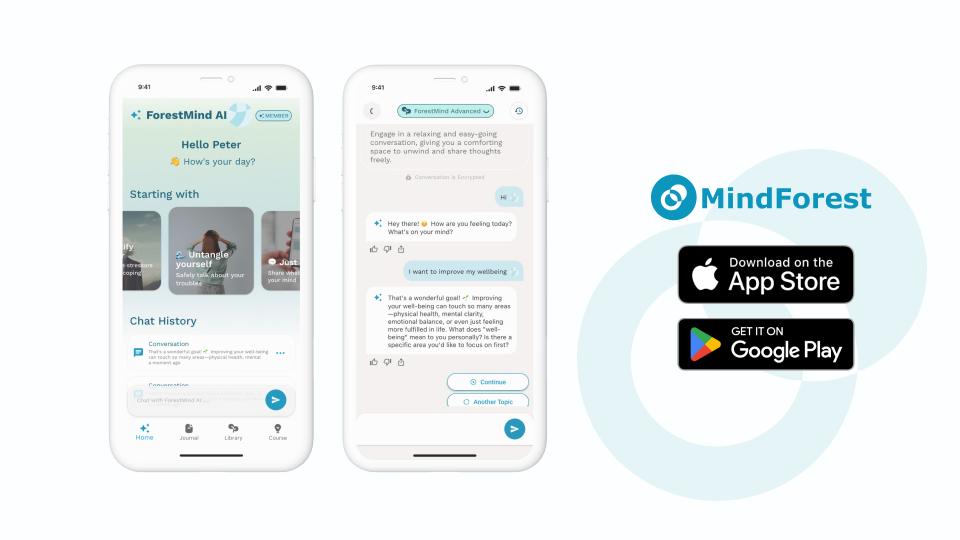
Find your calm with personalised support grounded in psychology. ForestMind helps you nurture emotional balance, resilience, and self-connection—just like a comforting Hygge ritual.
📖 Insight Journal
Slow down and reflect. The Insight Journal guides you through gentle self-discovery, helping you track feelings and savour the quiet joy in everyday life.
🧭 Psychometrics
Understand what brings you contentment. These tools offer insights into your emotional patterns, supporting a lifestyle aligned with your values and sense of belonging.
Download MindForest today and start your Hygge-inspired journey into happiness, simplicity, and heartfelt calm.
Baumeister, R. F., & Leary, M. R. (1995). The need to belong: Desire for interpersonal attachments as a fundamental human motivation. Psychological Bulletin, 117(3), 497–529.
Evans, G. W. (2003). The built environment and mental health. Journal of Urban Health, 80(4), 536–555.
Gross, J. J. (2002). Emotion regulation: Affective, cognitive, and social consequences. Psychophysiology, 39(3), 281–291.
Helliwell, J. F., Layard, R., & Sachs, J. (2023). World Happiness Report 2023. Sustainable Development Solutions Network. https://worldhappiness.report/
Kabat-Zinn, J. (2003). Mindfulness-based interventions in context: Past, present, and future. Clinical Psychology: Science and Practice, 10(2), 144–156.
Lyubomirsky, S. (2007). The how of happiness: A scientific approach to getting the life you want. Penguin Press.
Ryan, R. M., & Deci, E. L. (2000). Self-determination theory and the facilitation of intrinsic motivation, social development, and well-being. American Psychologist, 55(1), 68–78.
Veenhoven, R. (2012). Happiness: Also known as “life satisfaction” and “subjective well-being.” In K. C. Land, A. C. Michalos, & M. J. Sirgy (Eds.), Handbook of social indicators and quality of life research (pp. 63–77). Springer.
Wiking, M. (2017). The little book of Hygge: The Danish way to live well. Penguin Life.
Psychology Insights & Life Applications
Discover practical psychology tips you can apply to your everyday life. From building resilience to improving relationships and finding work-life balance, our blog brings expert-backed insights that help you grow.
Early Dating Red Flags: 5 Warning Signs to Spot Before It Gets Serious
Dating can be exciting, but the early stages also reveal subtle warning signs that hint at future problems. Recognising these red flags can save emotional energy and help you make smarter decisions about who to invest in. In this article, we explore five key patterns that often emerge in early dating: ghosting and avoidant behaviour, nonchalant attitudes, commitment issues, performative male behaviour, and the “pick me girl” phenomenon. Each section breaks down the psychology behind these behaviours, explains why they happen, and offers insights to navigate modern dating more consciously and safely.
5 Reasons Causing Commitment Issue in Dating: What It Is, Why It’s So Common, and How to Navigate It
In modern dating, many people find themselves asking the same frustrating question: “Why does everything feel close, intense, and promising—until commitment comes up?” If you’ve ever dated someone who enjoys intimacy but avoids labels, long-term planning, or emotional responsibility, you may have encountered a commitment issue in dating. This phenomenon has become increasingly common, particularly in a culture shaped by dating apps, individualism, and emotional burnout.
This article explores what commitment issues in dating really mean, why they’re becoming more widespread, how to cope if you experience them yourself, and what to consider when dating someone who struggles with commitment.
Ghosting and Avoidant Behaviour: Why We Pull Away and 3 Ways to Heal from It
Have you ever experienced ghosting? The two of you were chatting happily the night before, and the next day the person suddenly disappears, never replying again?
Ready to Apply Psychology to Your Life?
Download MindForest and turn these insights into action. Get personalized support from ForestMind AI Coach, track your progress, and unlock your full potential.