When it comes to long-term relationships, people often wonder: what is the difference between a life partner and marriage? Both involve commitment, but they are not the same. Understanding these differences can help you make clearer choices about your future. This article explores how life partnerships and marriage differ, what psychology says about commitment, and how to know which option aligns better with your values.
When it comes to long-term relationships, people often wonder: what is the difference between a life partner and marriage? Both involve commitment, but they are not the same. Understanding these differences can help you make clearer choices about your future. This article explores how life partnerships and marriage differ, what psychology says about commitment, and how to know which option aligns better with your values.
Life Partner vs Marriage: The Core Difference
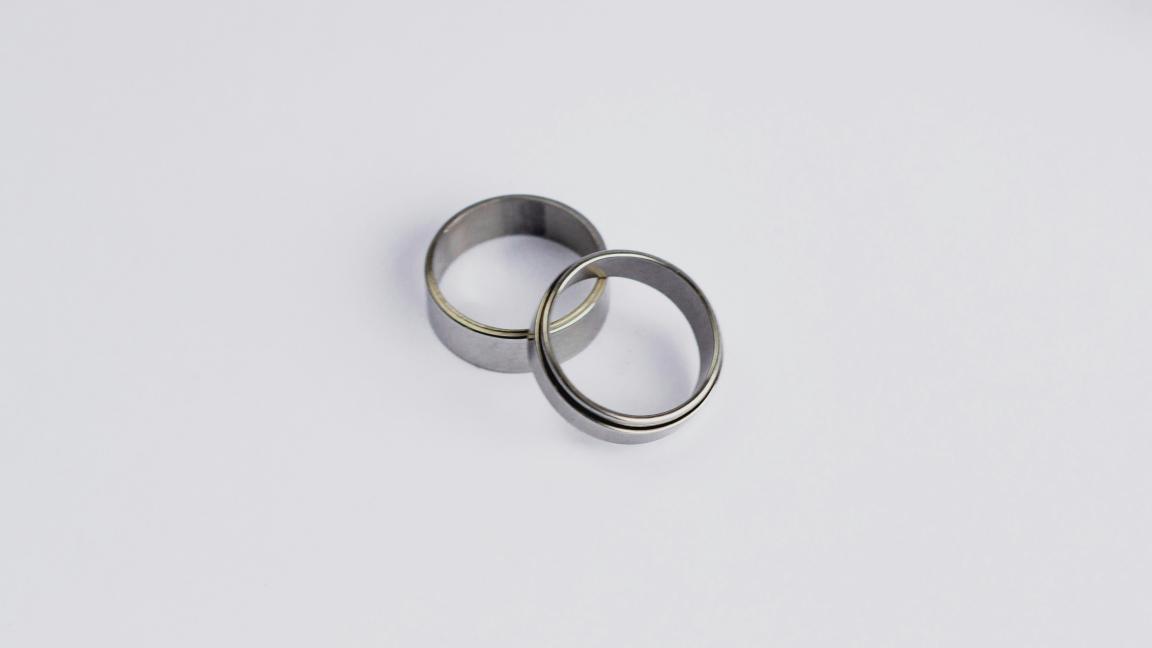
A life partner is someone you choose to share your life with based on emotional intimacy, trust, and long-term companionship. The bond is defined by personal choice rather than external rules.
Marriage, by contrast, is both a personal and institutional commitment. It is legally and socially recognised, often shaped by tradition, religion, and cultural expectations. While marriage formalises commitment, a life partnership allows for more flexibility, sometimes without legal or social recognition.
Put simply: life partner relationships prioritise personal definition, while marriage adds structure and societal approval.
The Psychology of Commitment
Psychologists view commitment as a central ingredient in lasting relationships. Sternberg’s Triangular Theory of Love identifies intimacy, passion, and commitment as key dimensions (Sternberg, 1986). A life partnership may emphasise intimacy and shared values, while marriage layers on institutionalised commitment.
Commitment is linked to well-being. Studies show that people in stable, committed relationships—married or not—report higher satisfaction and stability in life (Kamp Dush & Amato, 2005). The real question is less about form and more about the quality of the bond.
What to Consider Before Committing
Choosing between a life partner and marriage requires careful reflection. Some key factors include:
1) Values and Beliefs
Ask yourself how strongly tradition, religion, or family expectations shape your choices. For some, marriage is essential; for others, partnership without formalisation feels more authentic.
2) Compatibility
Research shows that shared goals, values, and communication styles predict long-term satisfaction (Markey & Markey, 2007). Whether in marriage or partnership, compatibility matters more than the label.
3) Legal and Practical Aspects
Marriage provides legal benefits such as inheritance rights, healthcare decisions, and tax advantages. A life partnership may require extra planning to secure these protections.
4) Investment and Growth
Without the social structure of marriage, life partnerships rely heavily on mutual effort. Ask: are we equally committed to building a shared future?
Which Suits You Better?
There is no universal answer. Instead, reflect on what you value most:
Life Partner: greater independence, flexibility, and personal definitions of commitment.
Marriage: legal security, social recognition, and alignment with tradition.
Neither option is superior; the right choice depends on your identity, culture, and vision of the future.
Self-Awareness: The Key to Lasting Commitment
The foundation of any lasting relationship is self-awareness. Knowing your needs, goals, and boundaries when you date enables you to choose authentically. Research on marital satisfaction highlights that open communication and self-reflection predict relationship success, regardless of formal status (Karney & Bradbury, 2020).
Instead of asking, “Should I choose marriage or a life partner?”, try reframing the question: “Which path allows me to live authentically and securely with someone I trust?”
Conclusion
Both life partnerships and marriage can lead to fulfilling, stable relationships. The difference lies in whether you prefer personal flexibility or formal recognition. Before committing, consider your values, emotional compatibility, and long-term goals.
Ultimately, commitment is less about the label and more about how two people nurture respect, trust, and shared purpose. Whether through marriage or partnership, the essence of fulfilment is the same in true love: choosing someone who truly feels like home.
Explore the MindForest App: Find Clarity in Love, Life Partner, and Marriage
Every lasting relationship begins with self-understanding. The MindForest App helps you explore your emotions and values, giving you clarity as you consider what kind of commitment—whether a life partner or marriage—truly suits you.
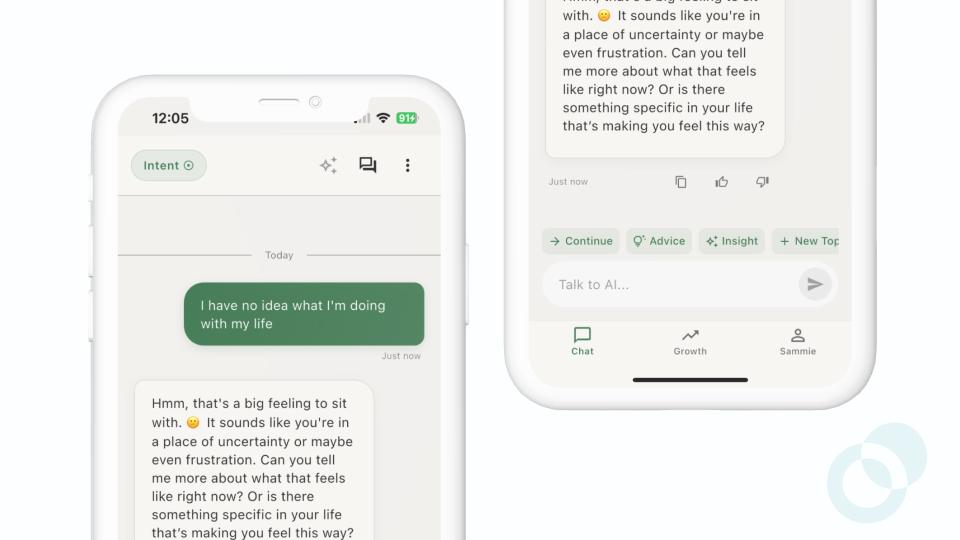
🌿 ForestMind AI: Your Emotional Guide in Relationships
ForestMind provides personalised psychological insights based on your mood and experiences, helping you recognise your needs and understand how you connect with others.
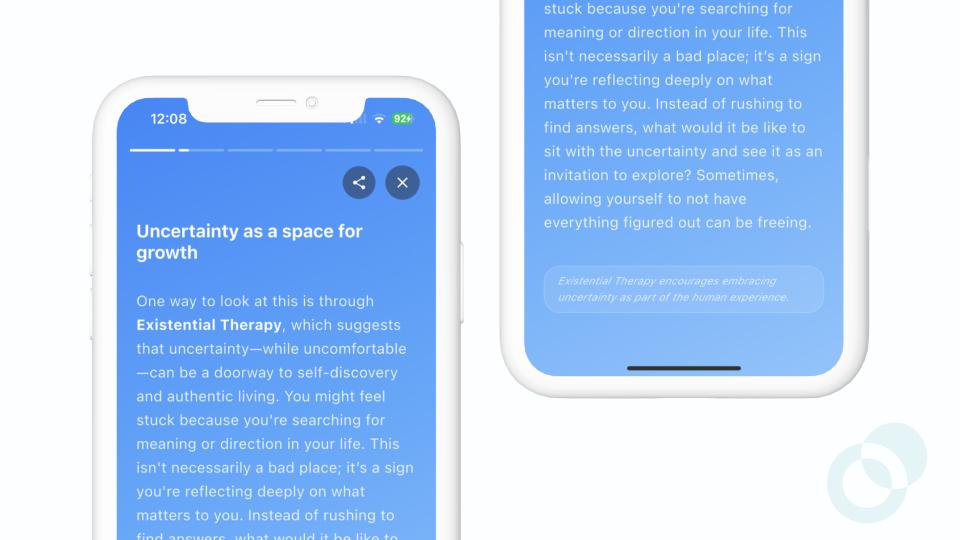
🪞 Insight Journal: Reflect on Your Journey
Use the journal to capture feelings during or after dates, moments with your partner, or reflections on marriage. These notes reveal patterns and help you see how your vision of commitment is evolving.
🧠 Psychological Assessment: Discover Your Relationship Style
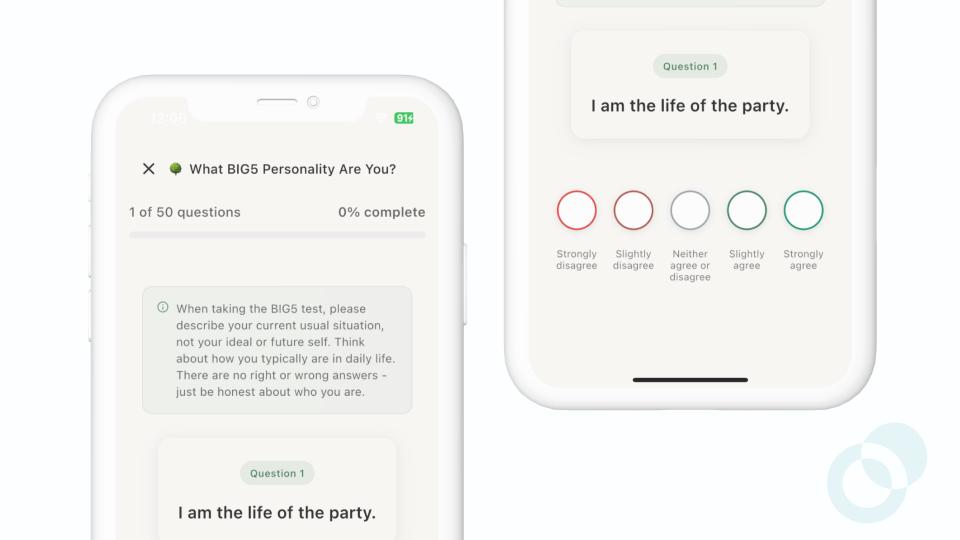
Take psychology-based assessments to uncover your personality, communication style, and long-term preferences. Learn whether you are drawn more to the flexibility of a life partner or the structure of marriage.
Download MindForest today to start your journey of self-discovery. Whether you are seeking a life partner or preparing for marriage, your path to deeper connection begins with understanding yourself.
Kamp Dush, C. M., & Amato, P. R. (2005). Consequences of relationship status and quality for subjective well-being. Journal of Social and Personal Relationships, 22(5), 607–627. https://doi.org/10.1177/0265407505056438
Karney, B. R., & Bradbury, T. N. (2020). Research on marital satisfaction and stability in the 2010s: Challenging conventional wisdom. Journal of Marriage and Family, 82(1), 100–116. https://doi.org/10.1111/jomf.12635
Markey, P. M., & Markey, C. N. (2007). Romantic ideals, romantic obtainment, and relationship experiences: The complementarity of interpersonal traits among romantic partners. Journal of Social and Personal Relationships, 24(4), 517–533. https://doi.org/10.1177/0265407507079241
Discover practical psychology tips you can apply to your everyday life. From building resilience to improving relationships and finding work-life balance, our blog brings expert-backed insights that help you grow.
Early Dating Red Flags: 5 Warning Signs to Spot Before It Gets Serious
Dating can be exciting, but the early stages also reveal subtle warning signs that hint at future problems. Recognising these red flags can save emotional energy and help you make smarter decisions about who to invest in. In this article, we explore five key patterns that often emerge in early dating: ghosting and avoidant behaviour, nonchalant attitudes, commitment issues, performative male behaviour, and the “pick me girl” phenomenon. Each section breaks down the psychology behind these behaviours, explains why they happen, and offers insights to navigate modern dating more consciously and safely.
5 Reasons Causing Commitment Issue in Dating: What It Is, Why It’s So Common, and How to Navigate It
In modern dating, many people find themselves asking the same frustrating question: “Why does everything feel close, intense, and promising—until commitment comes up?” If you’ve ever dated someone who enjoys intimacy but avoids labels, long-term planning, or emotional responsibility, you may have encountered a commitment issue in dating. This phenomenon has become increasingly common, particularly in a culture shaped by dating apps, individualism, and emotional burnout.
This article explores what commitment issues in dating really mean, why they’re becoming more widespread, how to cope if you experience them yourself, and what to consider when dating someone who struggles with commitment.
Ghosting and Avoidant Behaviour: Why We Pull Away and 3 Ways to Heal from It
Have you ever experienced ghosting? The two of you were chatting happily the night before, and the next day the person suddenly disappears, never replying again?
Ready to Apply Psychology to Your Life?
Download MindForest and turn these insights into action. Get personalized support from ForestMind AI Coach, track your progress, and unlock your full potential.