Toxic relationships can have a profound impact on our mental and emotional well-being, but identifying and addressing them is the first step towards reclaiming our lives. In this pillar article, you’ll learn how to recognise the signs of toxic relationships, the psychological patterns behind emotional manipulation, and how to build healthier connections. From understanding emotional blackmail to overcoming self-sabotage, each sub-article offers insights and strategies for breaking free from unhealthy dynamics. Whether you’re struggling with manipulation, feeling used, or recognising self-destructive patterns, these practical tools will guide you toward healing, empowerment, and personal growth.
Toxic relationships can have a profound impact on our mental and emotional well-being, but identifying and addressing them is the first step towards reclaiming our lives. In this pillar article, you’ll learn how to recognise the signs of toxic relationships, the psychological patterns behind emotional manipulation, and how to build healthier connections. From understanding emotional blackmail to overcoming self-sabotage, each sub-article offers insights and strategies for breaking free from unhealthy dynamics. Whether you’re struggling with manipulation, feeling used, or recognising self-destructive patterns, these practical tools will guide you toward healing, empowerment, and personal growth.
1. 3 Crucial Signs of a Toxic Relationship: Identify Red Flags and Reclaim Your Well-being
Toxic relationships can be hard to spot, but staying in them can drain your mental health and sense of self. In this article, we highlight three crucial signs of a toxic relationship that you shouldn’t ignore. Recognising red flags early on will empower you to take action and protect your emotional well-being. Whether it’s emotional manipulation or a lack of support, identifying these behaviours will help you make empowered decisions for your happiness. Taking the brave step of walking away from toxicity can pave the way for healing and reclaiming your peace.
2. Are You Being Used in a Relationship? 2 Ways from Psychology to Get Over It
Do you feel like you’re being used in your relationships, constantly giving more than you receive? This article explores the psychological factors that lead people to take advantage of others. By understanding why you might be vulnerable to being used, you’ll learn practical ways to establish healthier boundaries, reclaim your self-respect, and create more balanced, fulfilling connections. This insight will help you protect your emotional energy and break free from relationships where you’re not being treated with the care and respect you deserve.
3. 4 Types of Emotional Blackmail: Watch Out for the Toxic People
Emotional blackmail is a manipulative tactic used by toxic individuals to control others. This article outlines four types of emotional blackmail that may arise in both personal and professional relationships. By understanding these manipulative strategies, you’ll learn how to identify emotional blackmail and take action to protect yourself. With real-life examples, this article empowers you to recognise when you’re being emotionally manipulated and provides strategies to set boundaries and regain control of your emotions and decisions.
4. 3 Ways to Deal with Manipulation in Relationships and Protect Yourself from Harm
Manipulation can make you feel confused, guilty, and questioning your own instincts. This article teaches you how to spot the signs of manipulation in relationships, whether they’re subtle or blatant. Learn three effective strategies for dealing with manipulation—setting clear boundaries, trusting your instincts, and reclaiming your sense of self. By using these tools, you’ll be able to protect yourself from emotional harm, navigate challenging relationships with confidence, and rebuild trust in your own judgment.
5. Self-Sabotage in Relationships: How Self-Love Can Heal the Cycle
Self-sabotage can derail even the healthiest relationships. If you find yourself overthinking, pushing your partner away, or creating unnecessary conflict, you might be dealing with self-sabotage. This article dives into the psychological causes of self-sabotage and how to overcome it through self-love and self-awareness. By embracing a mindset of personal growth and emotional healing, you can break free from destructive cycles and foster healthier, more fulfilling relationships. Learn how to cultivate the self-love necessary to nurture connections that support your emotional well-being.
Explore the MindForest App: Your Companion for Healing and Growth in Toxic Relationships
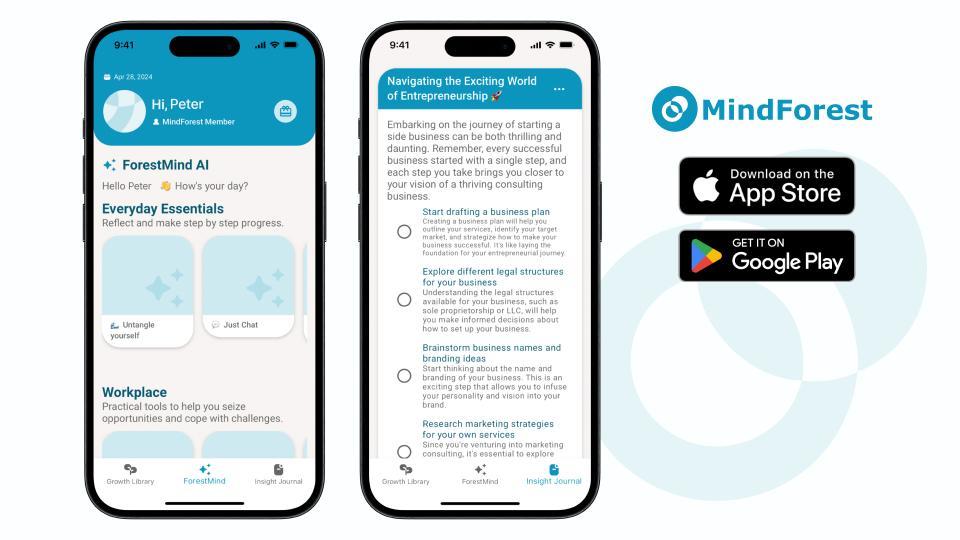
Embark on a journey of healing and self-discovery with MindForest, the perfect companion for navigating toxic relationships and fostering personal growth.
Imagine having a personal coach who helps you rebuild your emotional strength and resilience. ForestMind provides tailored psychological advice, guiding you through overcoming self-doubt, emotional manipulation, and relationship challenges. It’s designed to support you in recognising toxic patterns, setting healthy boundaries, and regaining control of your emotional well-being.
💪 Insight Journal
Track your healing progress with the Insight Journal feature. Reflect on your experiences, document your feelings, and uncover insights that will empower you to break free from toxic relationships. By understanding your emotions and actions, you can gain clarity and make healthier choices moving forward.
🔗 Psychometrics
Unlock deeper self-awareness with personality assessments that help you identify the emotional triggers and patterns that might be holding you back. By gaining insight into your strengths and weaknesses, you can create actionable steps to break free from unhealthy relationships and foster healthier, more fulfilling connections.
Download MindForest today and start your journey toward emotional strength, healing, and healthier relationships!
Discover practical psychology tips you can apply to your everyday life. From building resilience to improving relationships and finding work-life balance, our blog brings expert-backed insights that help you grow.
Early Dating Red Flags: 5 Warning Signs to Spot Before It Gets Serious
Dating can be exciting, but the early stages also reveal subtle warning signs that hint at future problems. Recognising these red flags can save emotional energy and help you make smarter decisions about who to invest in. In this article, we explore five key patterns that often emerge in early dating: ghosting and avoidant behaviour, nonchalant attitudes, commitment issues, performative male behaviour, and the “pick me girl” phenomenon. Each section breaks down the psychology behind these behaviours, explains why they happen, and offers insights to navigate modern dating more consciously and safely.
5 Reasons Causing Commitment Issue in Dating: What It Is, Why It’s So Common, and How to Navigate It
In modern dating, many people find themselves asking the same frustrating question: “Why does everything feel close, intense, and promising—until commitment comes up?” If you’ve ever dated someone who enjoys intimacy but avoids labels, long-term planning, or emotional responsibility, you may have encountered a commitment issue in dating. This phenomenon has become increasingly common, particularly in a culture shaped by dating apps, individualism, and emotional burnout.
This article explores what commitment issues in dating really mean, why they’re becoming more widespread, how to cope if you experience them yourself, and what to consider when dating someone who struggles with commitment.
Ghosting and Avoidant Behaviour: Why We Pull Away and 3 Ways to Heal from It
Have you ever experienced ghosting? The two of you were chatting happily the night before, and the next day the person suddenly disappears, never replying again?
Ready to Apply Psychology to Your Life?
Download MindForest and turn these insights into action. Get personalized support from ForestMind AI Coach, track your progress, and unlock your full potential.